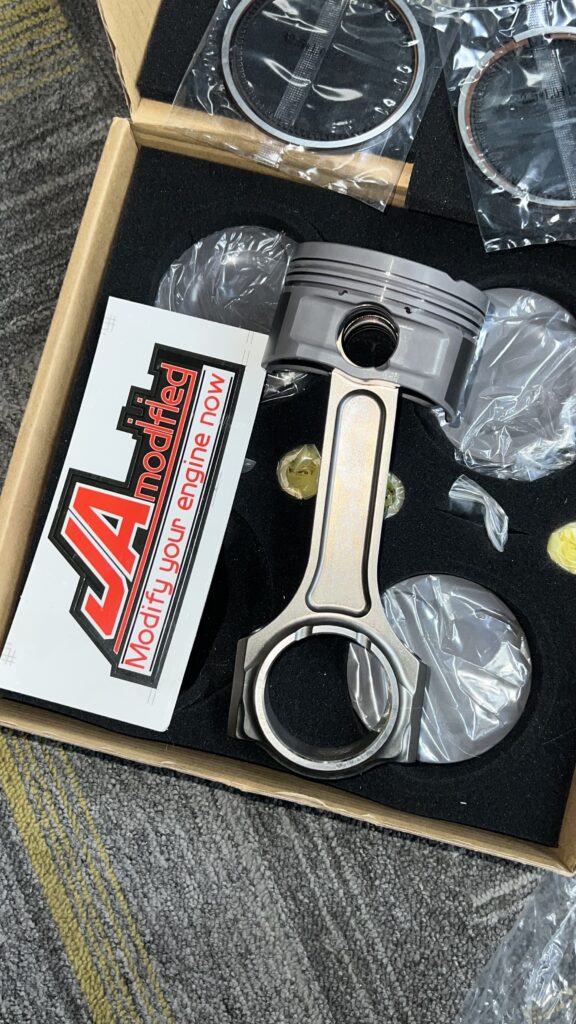

A practical guide to choosing EA888 and EA855 forged pistons by compression ratio, alloy, and real build logic.
Compression Ratio, 4032 vs 2618, and the Real Logic Behind Performance Piston Selection
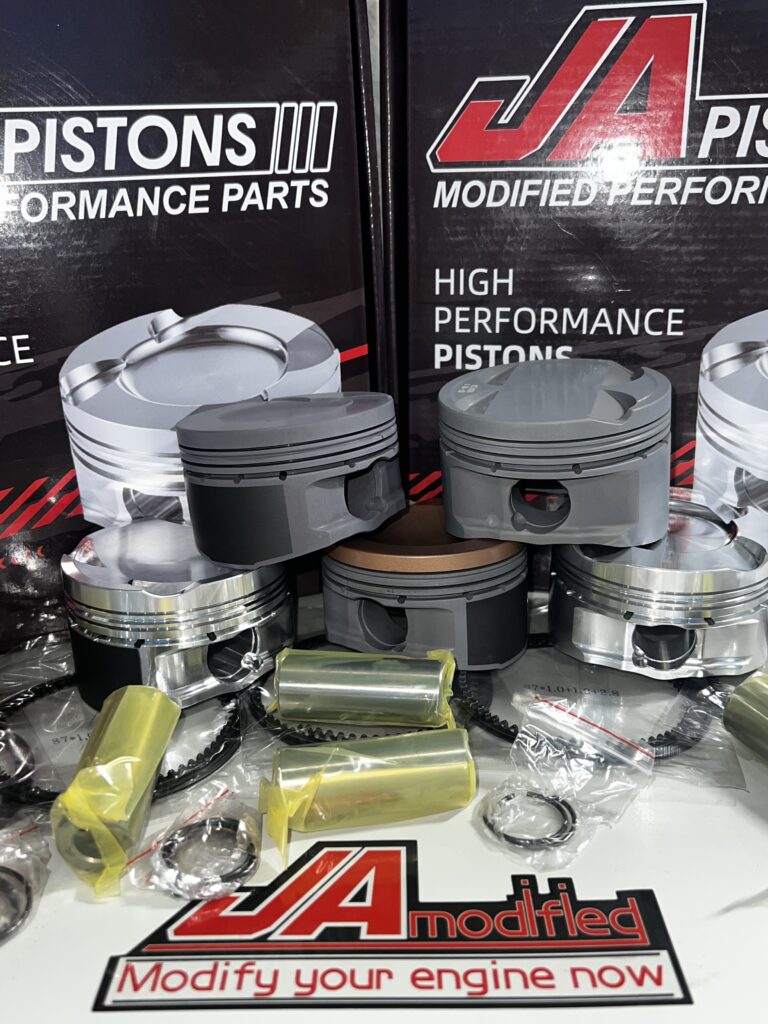
In the Volkswagen Audi performance market, EA888 forged pistons and EA855 forged pistons remain two of the most discussed engine upgrade topics.
Whether the goal is a high-performance street car or a more serious high-boost built engine, customers usually ask the same questions:
What compression ratio should I choose for EA888 or EA855 forged pistons?
What is the real difference between 4032 and 2618?
Who should choose 9.6:1, 9.8:1, 10.0:1, 10.5:1, or even higher compression ratios?
What really makes a forged piston reliable in a high-performance application: the alloy name, or the piston structure itself?
These questions may look simple, but they are really asking about the full build logic of the engine.
For EA888 and EA855, the right forged piston choice should never be based on one number alone. The real decision involves:
compression ratio
alloy type
piston structure design
boost and power target
fuel and tuning strategy
the final use of the vehicle
In other words, the real question is not “which piston looks strongest on paper,” but:
Which piston actually matches the build?
Why Compression Ratio Matters So Much in EA888 and EA855 Forged Pistons
A common misunderstanding in performance builds is the idea that:
lower compression automatically means a more serious performance setup.
That idea is not completely wrong, but it is often too simplistic.
Lower compression ratios can help create more room for higher boost, higher cylinder pressure, and greater thermal load. That is why lower-compression pistons are common in some big turbo, high-power, and high-abuse engine projects.
But the problem is that not every customer is building that kind of engine.
A large part of the EA888 and EA855 market is actually looking for something more balanced:
- more strength
- more stability
- better drivability
- better long-term usability
- and still enough performance potential for serious upgrades
That is why compression ratio should never be discussed without considering the full engine combination.
Lower compression does not automatically mean better.
Higher compression does not automatically mean riskier.
The real question is:
Does the piston choice actually match the turbo, fuel, tuning, temperature control, and real use of the engine?
EA888 Forged Pistons: Why 9.6:1–9.8:1 4032 Is a Very Popular Choice
Based on real market feedback we have seen in the performance VAG world, one of the most commercially stable directions for EA888 forged pistons is not the lowest-compression setup, but a more balanced one.
For many EA888 applications, 9.6:1–9.8:1 in 4032 alloy has become a very common and very practical solution.
This type of piston setup is often well suited for:
- high-performance street cars
- medium to higher-level power upgrades
- customers who want both performance and long-term usability
- builds that still care about cold-start behavior and thermal control
- owners who want a stronger engine without making the car overly compromised
Why does this combination work so well in the market?
Because a large part of the customer base is not building for the most extreme boost number possible.
They are building for something more realistic:
stronger performance, better response, and better usability at the same time.
That is where 4032 often makes a lot of sense. For many street and street-performance builds, it helps support:
- better thermal behavior
- better cold-start characteristics
- better day-to-day drivability
- more balanced long-term use
So in the EA888 market, 9.6:1–9.8:1 4032 forged pistons are popular not because they are the most extreme option, but because they are often the most suitable option for a large portion of real customers.
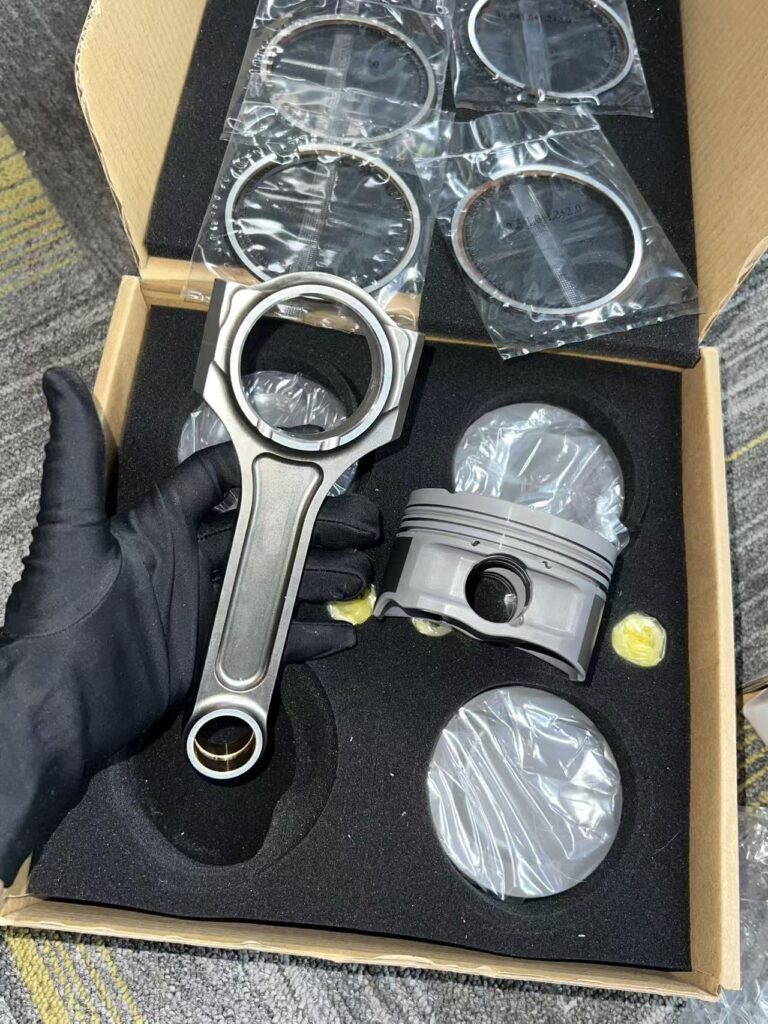
Higher-Performance EA888 Builds: When 10.0:1 or 10.5:1 2618 Starts to Make Sense
Above the mainstream 4032 options, there is another layer of demand in the EA888 market.
At this level, customers are usually thinking about:
- higher boost
- higher power
- higher cylinder pressure
- more aggressive tuning
- more serious built-engine goals
- higher-flow cylinder head and airflow packages
This is where 10.0:1 2618 forged pistons and even 10.5:1 2618 forged pistons become relevant.
Especially in the case of 10.5:1, this is usually not the highest-volume market. Instead, it is more often associated with projects such as:
- ported head builds
- 4-port head combinations
- higher-flow engine packages
- more aggressive performance targets
- serious built-engine applications
That means the EA888 market is not simply “low compression for performance and everything else for the rest.”
A more accurate way to describe it would be:
Mainstream volume: 9.6–9.8:1 4032
Higher-performance applications: 10.0:1 / 10.5:1 2618
The first group sells because it offers balance, drivability, and better long-term use.
The second group exists because some customers clearly want a higher performance ceiling and are building the engine accordingly.
EA855 Forged Pistons: Why Standard Upgrades and High-Compression Custom Projects Both Exist
Compared with EA888, the EA855 forged piston market is often more project-driven and more likely to include custom requirements.
It is harder to define the whole EA855 market with one single compression ratio, because the customer base is often split between two directions.
One group is looking for:
- stronger internal parts
- better engine stability
- practical performance upgrades
- a more refined overall package
Another group is moving toward more serious, more customized built-engine projects.
That is why, in EA855 applications, higher-compression custom forged piston projects do exist in the real world.
A setup such as 12.4:1 EA855 forged pistons is clearly not a broad standard shelf item for every customer. But it can absolutely exist in very specific engine projects with:
- a defined fuel strategy
- a clear power and engine-character target
- more advanced tuning support
- a more specialized engine combination
- customers who already know the direction of the build
So high-compression EA855 pistons should not be described as “better because the number is higher.”
A better description would be:
a higher-level custom forged piston solution for a specific build target
From a market point of view, EA855 often contains two layers of demand at the same time:
standard performance upgrade solutions
and
high-compression, more specialized custom piston projects
That is why choosing forged pistons for EA855 often depends even more on the full project itself, not just on a catalog number.
4032 vs 2618: What Is the Real Difference?
A lot of customers simplify the question into one sentence:
Which is better, 4032 or 2618?
But that question is usually incomplete.
The better question is:
Which alloy makes more sense for this build?
In general, 4032 is often a better fit for:
- high-performance street cars
- builds that still care about cold-start behavior
- customers who want better thermal control
- long-term performance upgrades with better overall balance
- medium to higher-power street-focused builds
Meanwhile, 2618 is often a better fit for:
- higher boost
- higher cylinder pressure
- higher thermal load
- more abuse
- more serious built-engine applications
- customers who want more strength margin and a higher performance ceiling
But there is one very important point:
alloy alone is not the whole answer.
The number “2618” on its own does not automatically make a piston reliable.
The same is true for 4032. A piston is not good just because the material name sounds right.
If the piston structure is not designed correctly—especially in the critical load-bearing areas—then even a premium alloy name does not guarantee real-world durability.
Why Piston Structure Matters More Than Material Name Alone
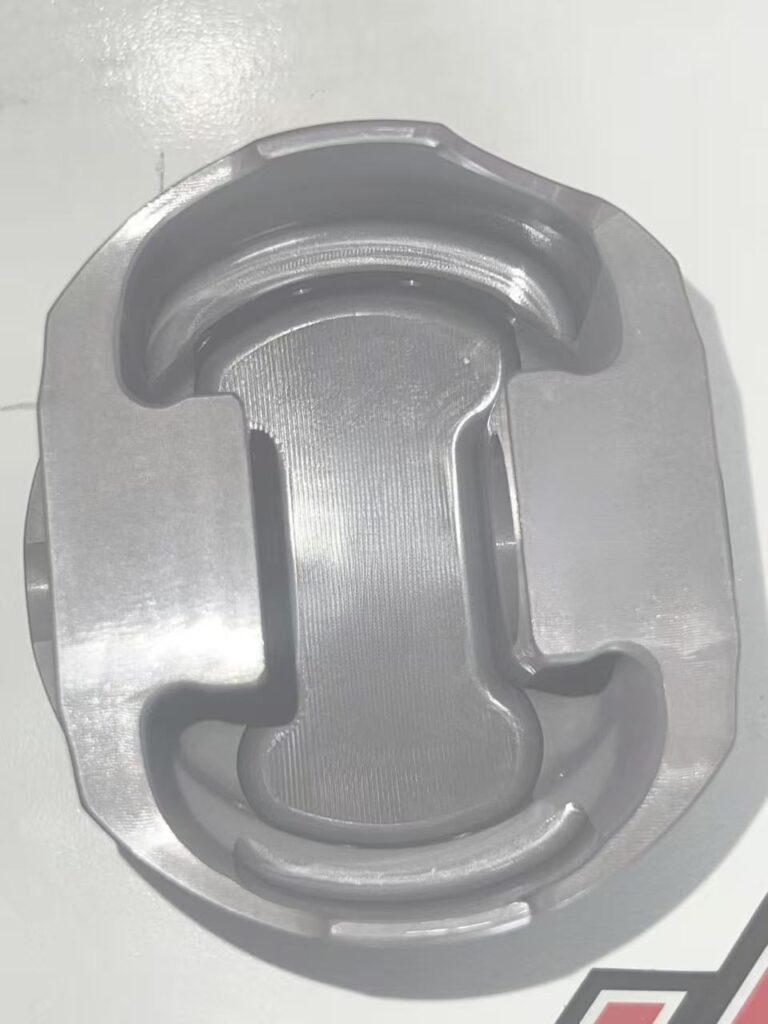
For high-boost, high-torque, high-heat engine projects, experienced customers do not only look at alloy type.
They also pay very close attention to structure, especially:
- piston crown material distribution
- ring land design
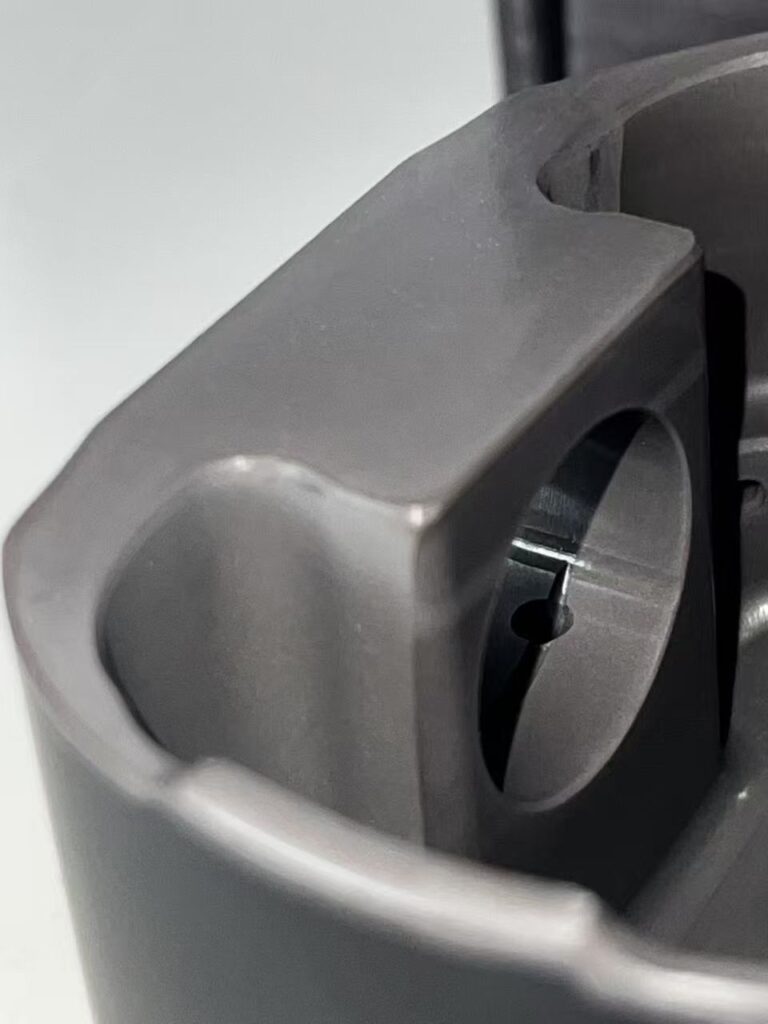
- wrist pin area support
- pin boss area thickness and strength margin
- overall load path around the pin area
- whether critical areas were made too light for the sake of weight reduction
- whether the design is truly conservative or only visually attractive
That is why, in the real market, more serious customers are paying closer attention to the structure around the wrist pin area and pin boss area.
Because in high-boost and high-torque applications, those areas often play a major role in long-term confidence.
In other words, what the market really needs is not just a piston with a strong material label.
It needs a piston with:
- the right compression ratio
- the right alloy for the application
- a more conservative design in the critical load areas
- stronger support around the pin area
- enough safety margin for high boost and heavy use
For serious builds, a slightly thicker, stronger, more confidence-inspiring structure can sometimes be more convincing than chasing the lightest possible piston.
That is also why two products can both be sold as 2618 forged pistons, while their real-world reliability and engineering confidence can still be very different.
Are High-Compression Forged Pistons Right for Everyone?
No.
This is an important point.
Whether we are talking about 10.0:1 / 10.5:1 EA888 forged pistons or a custom high-compression EA855 forged piston project, these are not automatically “better” just because the number is higher.
High-compression forged pistons can offer clear benefits, such as:
- sharper response
- stronger engine character
- more aggressive performance feel in the right setup
- suitability for specific tuning directions
But they also require more serious thinking about:
- fuel quality
- temperature management
- ECU calibration
- boost target
- total engine combination
- actual vehicle use
So the value of high compression is never “higher is better.”
The real logic is:
the more specific the engine goal, the more specific the compression ratio strategy needs to be.
How to Choose the Right Forged Pistons for EA888 and EA855
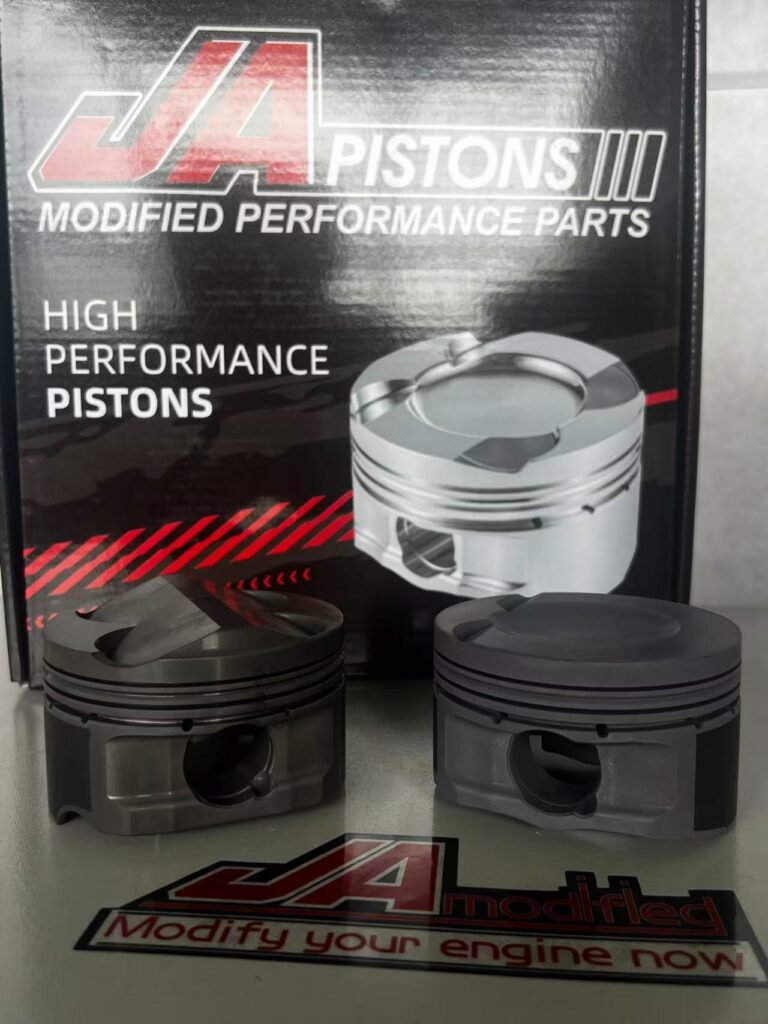
If we simplify everything into a practical guide:
If your goal is:
high-performance street use, long-term stability, better cold-start behavior, balanced drivability, and still enough capability for medium to higher-level power upgrades,
then in many cases the smarter direction is:
a mid-to-higher compression 4032 forged piston setup
If your goal is:
higher boost, higher power, higher cylinder pressure, more aggressive tuning, and a clearly performance-oriented built engine,
then the smarter direction is usually:
a 2618 performance-focused setup
with more attention paid to conservative structure in the critical load-bearing areas
If your project already involves:
special fuel, higher-flow engine combinations, special cylinder head work, non-standard compression ratio targets, or a more advanced custom build direction,
then what you often need is no longer a catalog solution.
You need:
a truly project-defined custom forged piston solution
Choosing Forged Pistons Is Not About Choosing a Number. It Is About Choosing the Right Engine Logic
So in the end, how should you choose forged pistons for EA888 or EA855?
The answer is not simply about higher or lower compression.
It is not simply about 4032 or 2618.
And it is definitely not only about whether the piston looks impressive.
The real questions are:
Is this a street build or an all-out performance build?
Do you want long-term usability or a higher performance ceiling?
Do your fuel, boost, and tuning actually support a higher compression strategy?
Does the piston really have enough structural safety margin in the critical areas?
Is the design made for real load handling, or only for appearance?
For EA888 and EA855, the best forged piston is never just the one with the most extreme number on paper.
It is the one that best matches the engine, the hardware, the tuning strategy, and the real goal of the build.
A serious performance engine is never built by choosing a number alone.
It is built by making the right engineering decision.
CTA
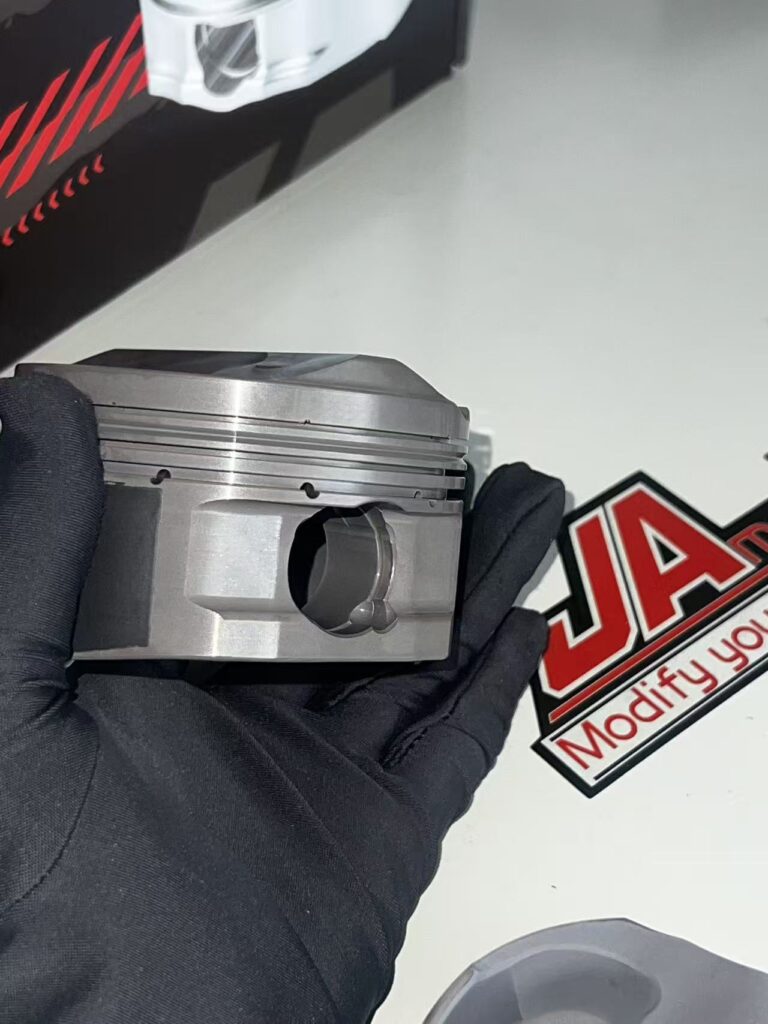
If you are planning an EA888 forged piston or EA855 forged piston build and are unsure which compression ratio, alloy, or piston structure best fits your project, feel free to contact us.
We support both standard forged piston upgrade solutions and custom high-performance forged piston projects for different boost, fuel, and power goals.