
When customers start planning a forged engine build, they often ask the wrong question first.
They ask:
Which material is stronger?
But the better question is:
Which material actually fits the way the engine will be used?
For VAG platforms like EA888 and EA855, the right answer depends on the build goal, power level, heat load, and how much abuse the engine will see over time.
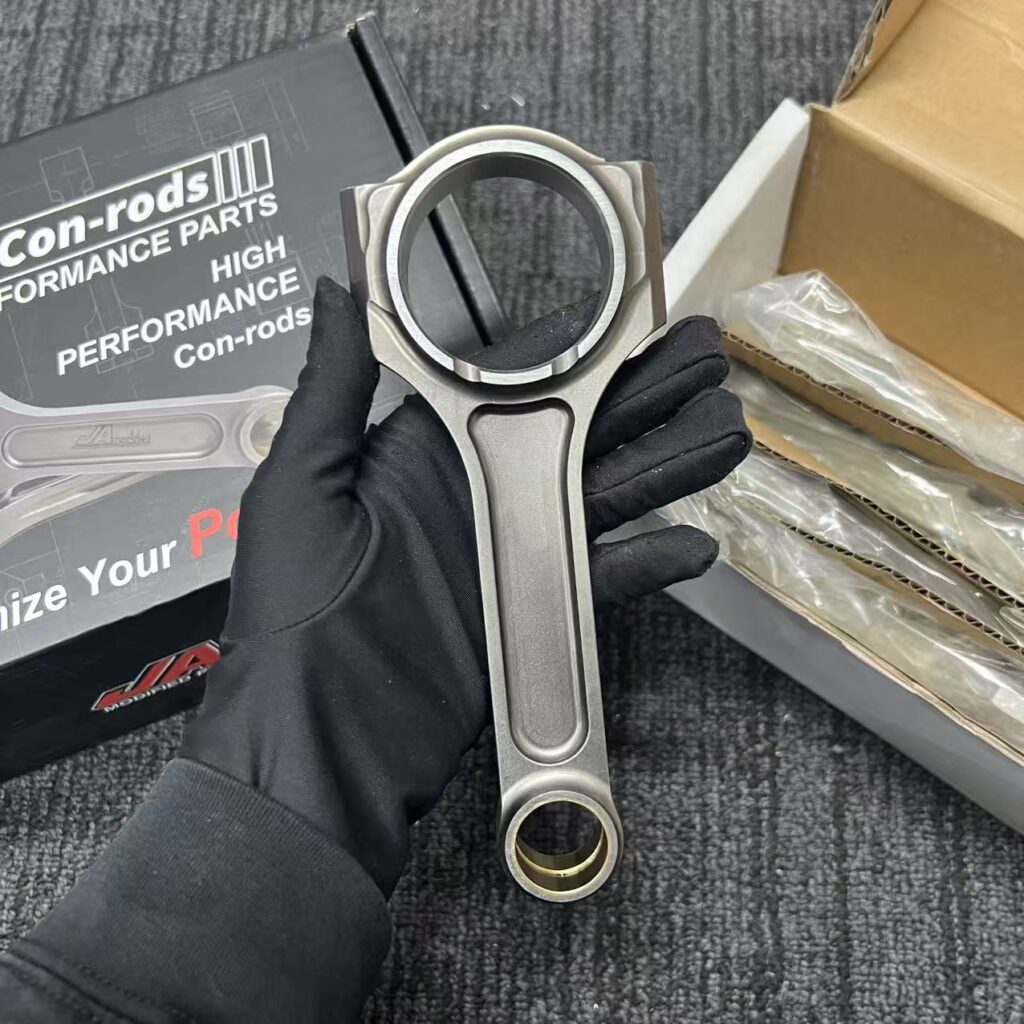
300M vs 4340 connecting rods
For most strong street builds, 4340 forged rods are still the mainstream choice. They offer a proven balance of strength, cost, and reliability, which is why so many shelf-stock performance rods on the market are still based on 4340.
But once the build becomes more serious, the conversation changes.
300M is a more premium material choice for customers who want more fatigue resistance, more toughness, and more long-term margin in harder-use applications. It is not the right answer for every build, but it becomes very relevant when the engine is expected to live under repeated high cylinder pressure and more aggressive use.
A simple way to explain it is this:
- 4340 is the smart choice for most strong street builds
- 300M is the better choice when the build gets more serious and less forgiving
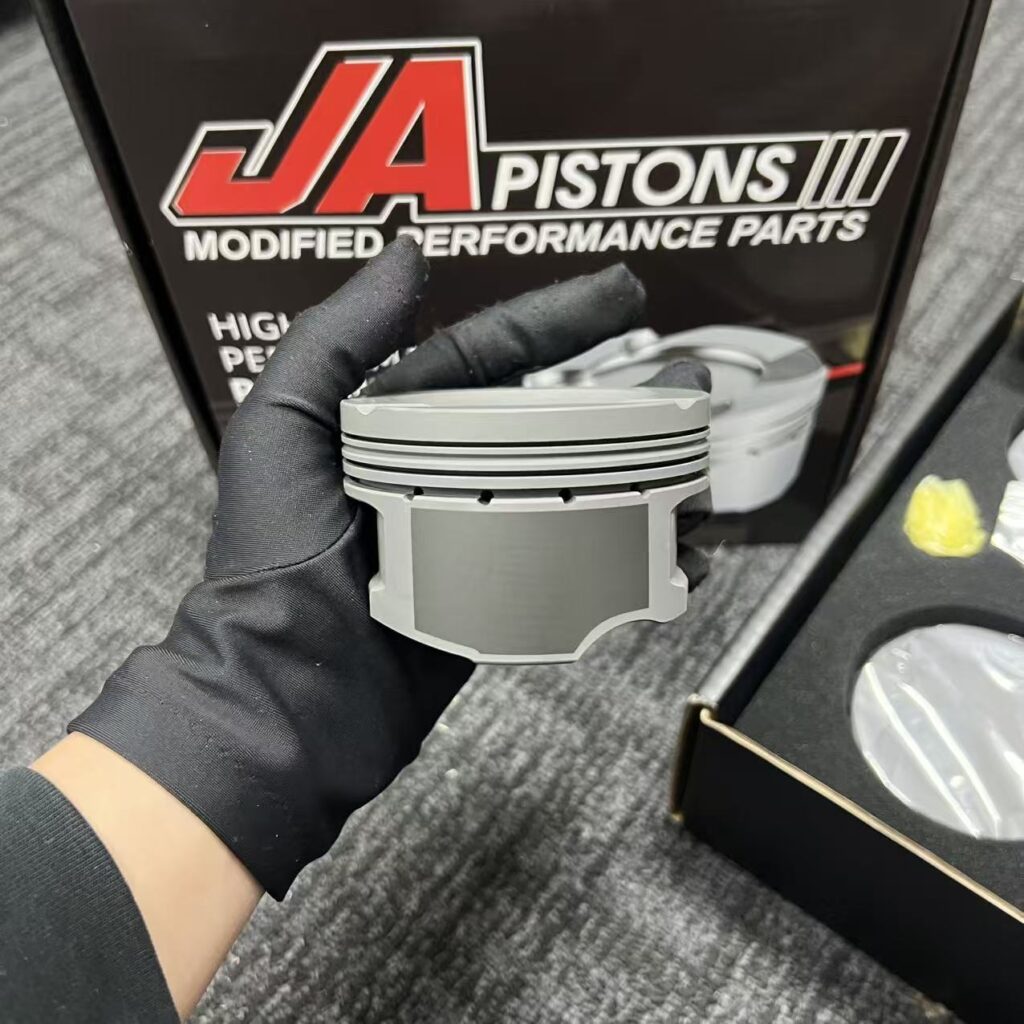
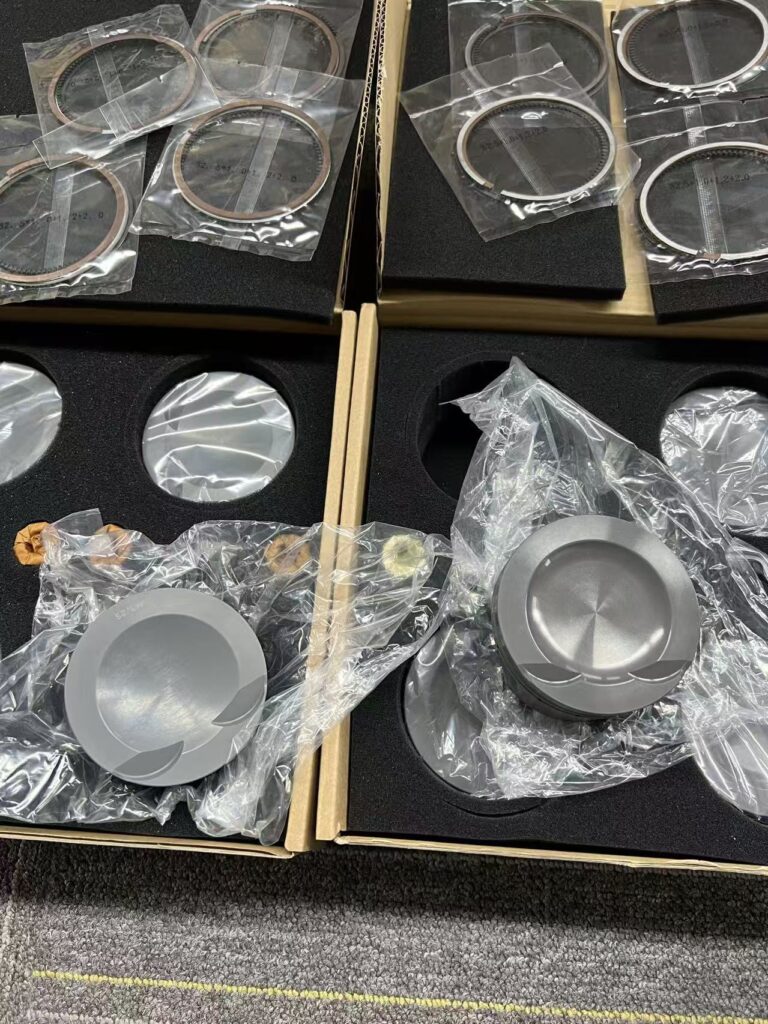
4032 vs 2618 forged pistons
This is a similar story.
4032-style pistons are easier to live with. They are often preferred when the customer wants a forged piston but still values street manners, lower expansion, and a more OEM-like experience.
2618 pistons make more sense when the build is focused on higher boost, higher heat, and more abuse. They are usually the better fit when maximum durability under harder conditions matters more than cold-start comfort.
Again, the easiest way to explain it is:
- 4032 is easier to live with
- 2618 is easier to trust in a more aggressive build
What this means for EA888 builds
For EA888, there are usually three common paths:
- Street-strengthened build
4340 rods + 4032-style pistons - Strong street / big turbo build
4340 rods + 2618 pistons - Serious built-motor setup
300M rods + 2618 pistons
What this means for EA855 builds
For EA855 / RS3 / TTRS customers, the conversation is usually more serious from the beginning.
That is why a larger percentage of EA855 customers understand the value of:
- better material choices
- more fatigue margin
- more heat tolerance
- longer-term reliability in harder-use builds
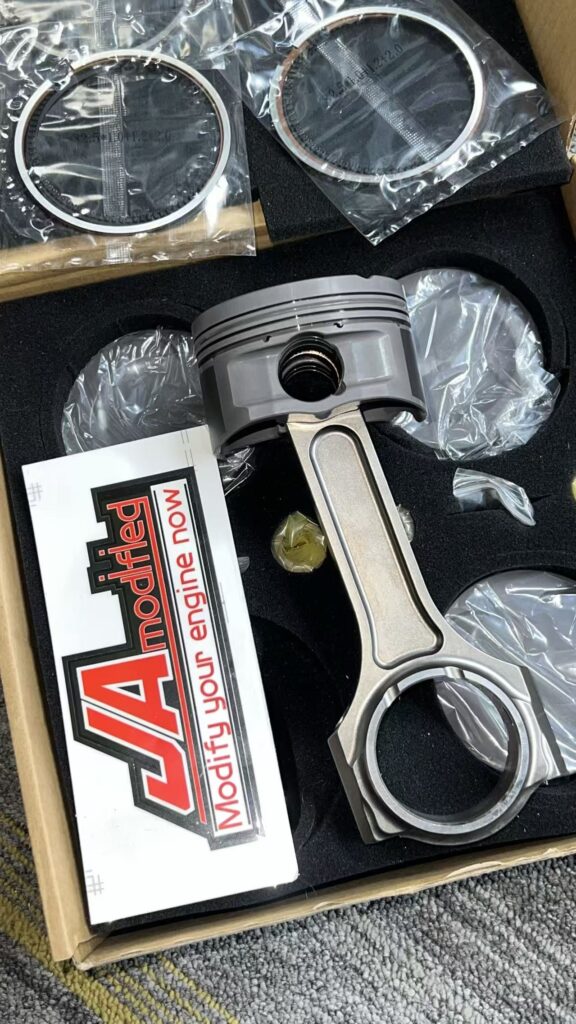
For that reason, 300M rods + 2618 pistons often make more sense in high-end EA855 builds than they do in lower-stress street combinations.
The real answer
There is no single “best” material.
The best setup is the one that matches:
- the customer’s real use case
- the target power and boost
- the level of repeated abuse
- the budget
- and the type of driving the engine will actually see
If the build is mostly street, don’t force a race answer.
If the build is serious, don’t choose street logic.
That is how the right internal package should be selected.