
In high-performance K24 builds, power numbers often get all the attention.
But what really determines whether an engine performs consistently is the internal component strategy behind it.
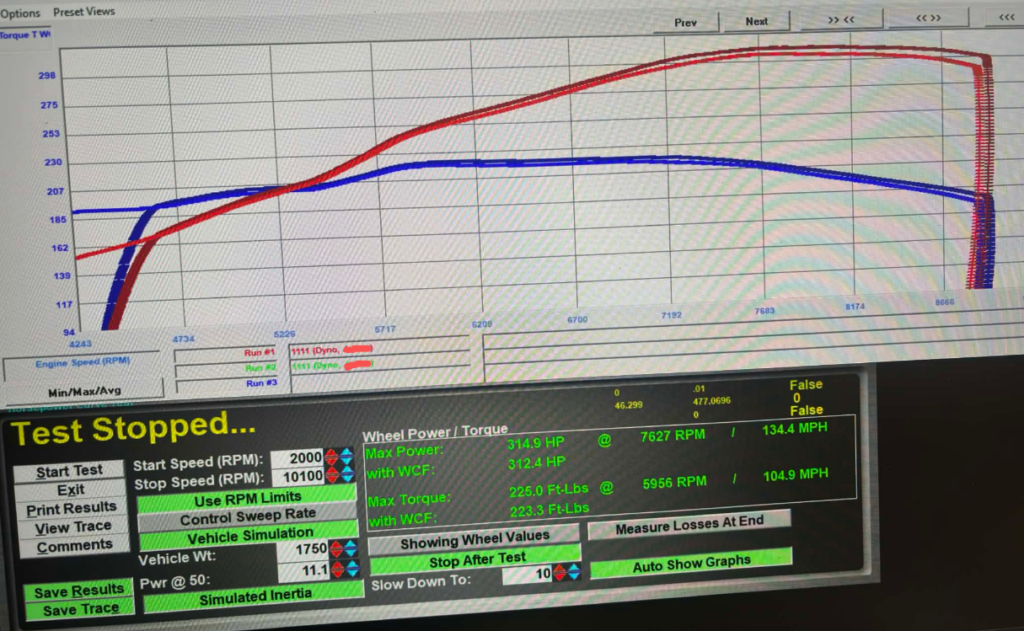
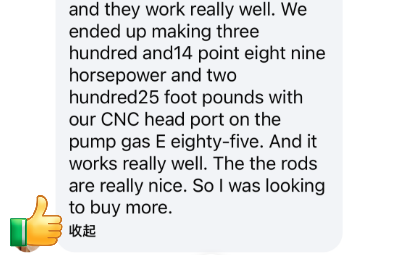
In one real-world build, an experienced engine builder—who assembles 100–150 K24 engines per year—achieved:
314.9 WHP @ 7627 RPM
225 Ft-Lbs @ 5956 RPM
Naturally aspirated, running on E85 with a CNC-ported cylinder head.
This raises an important question:
What kind of connecting rod setup supports this level of performance?
Rod Weight: Why It Matters in K24 Builds
Many people focus only on strength when choosing rods, but overlook the importance of weight.
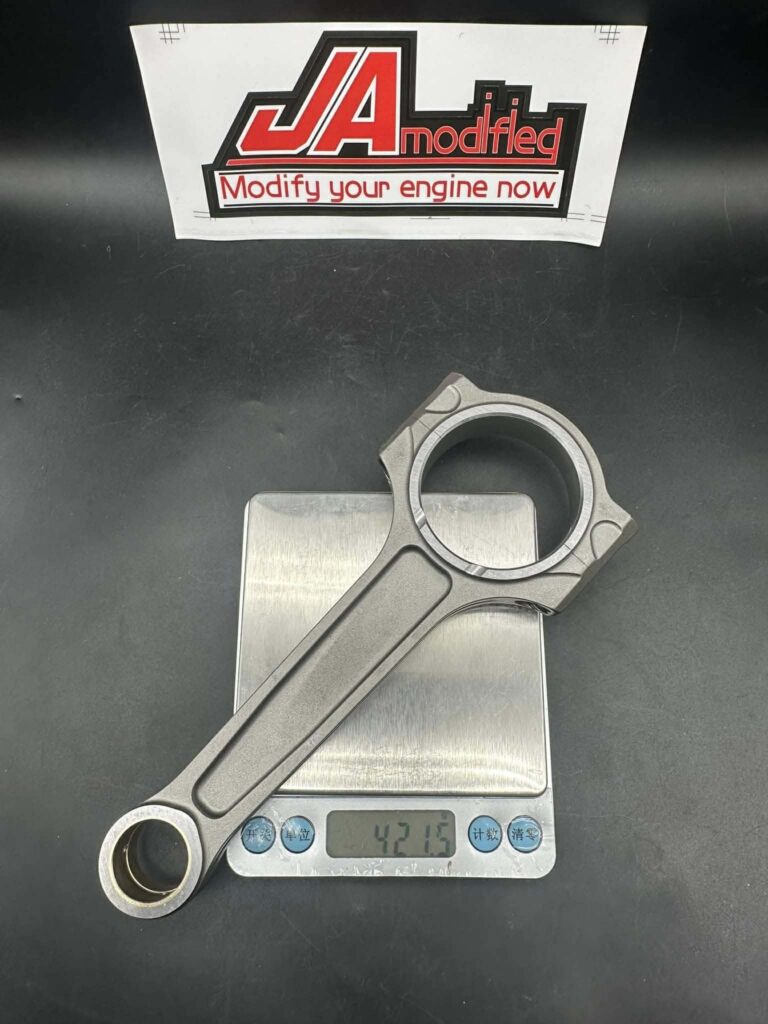
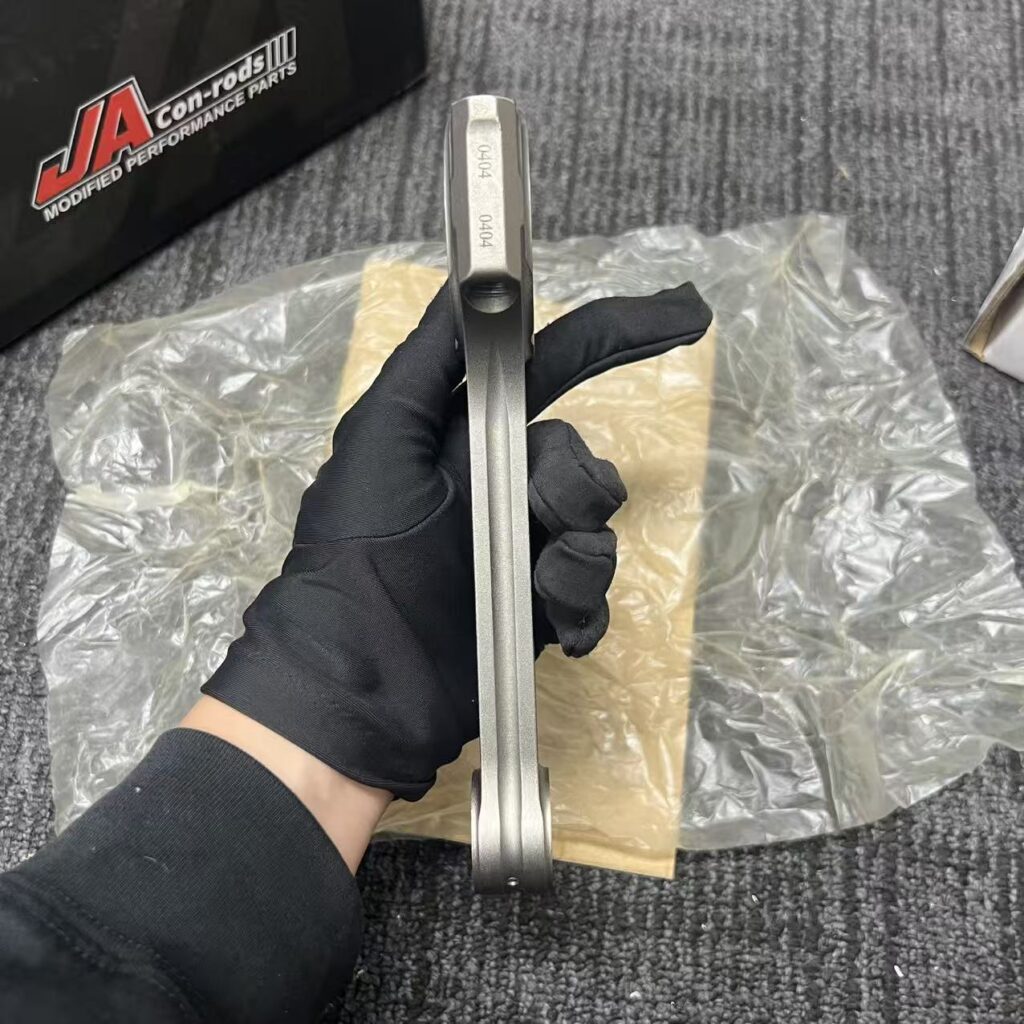
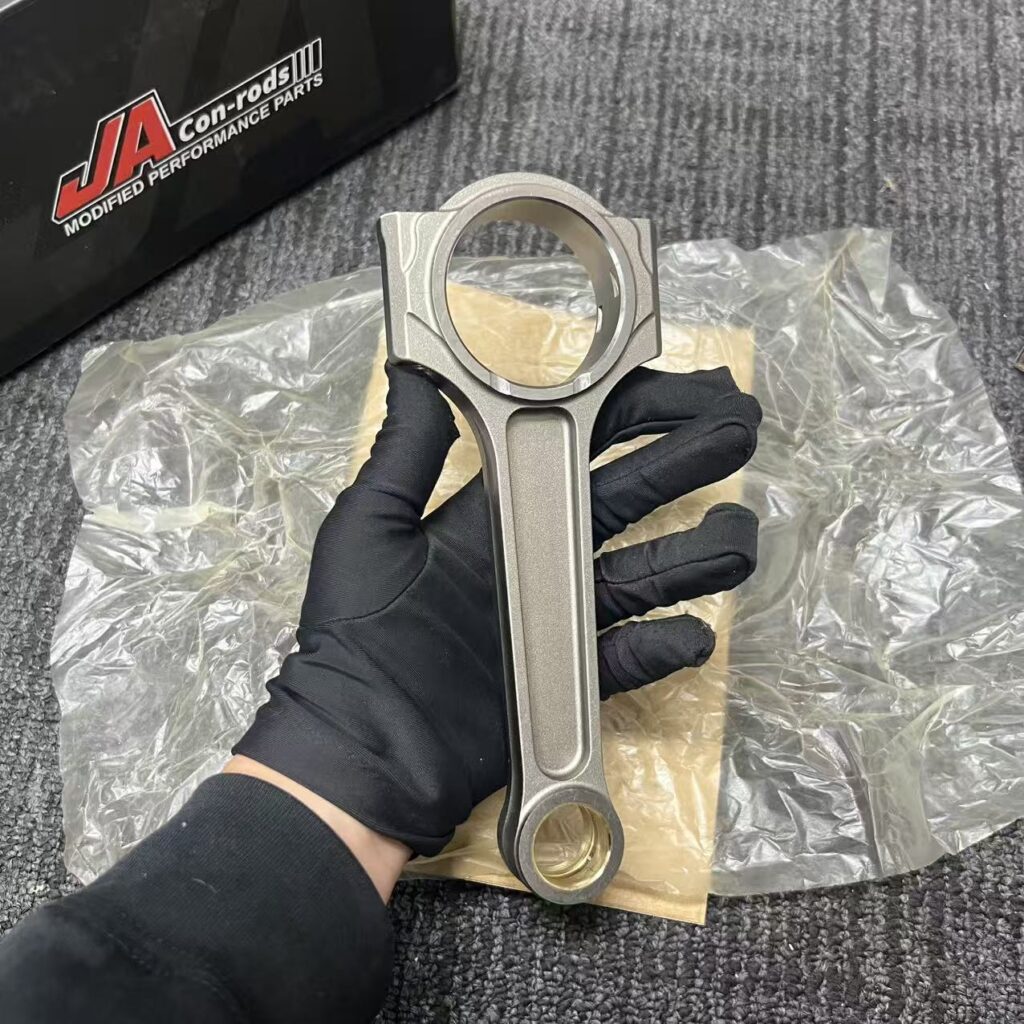
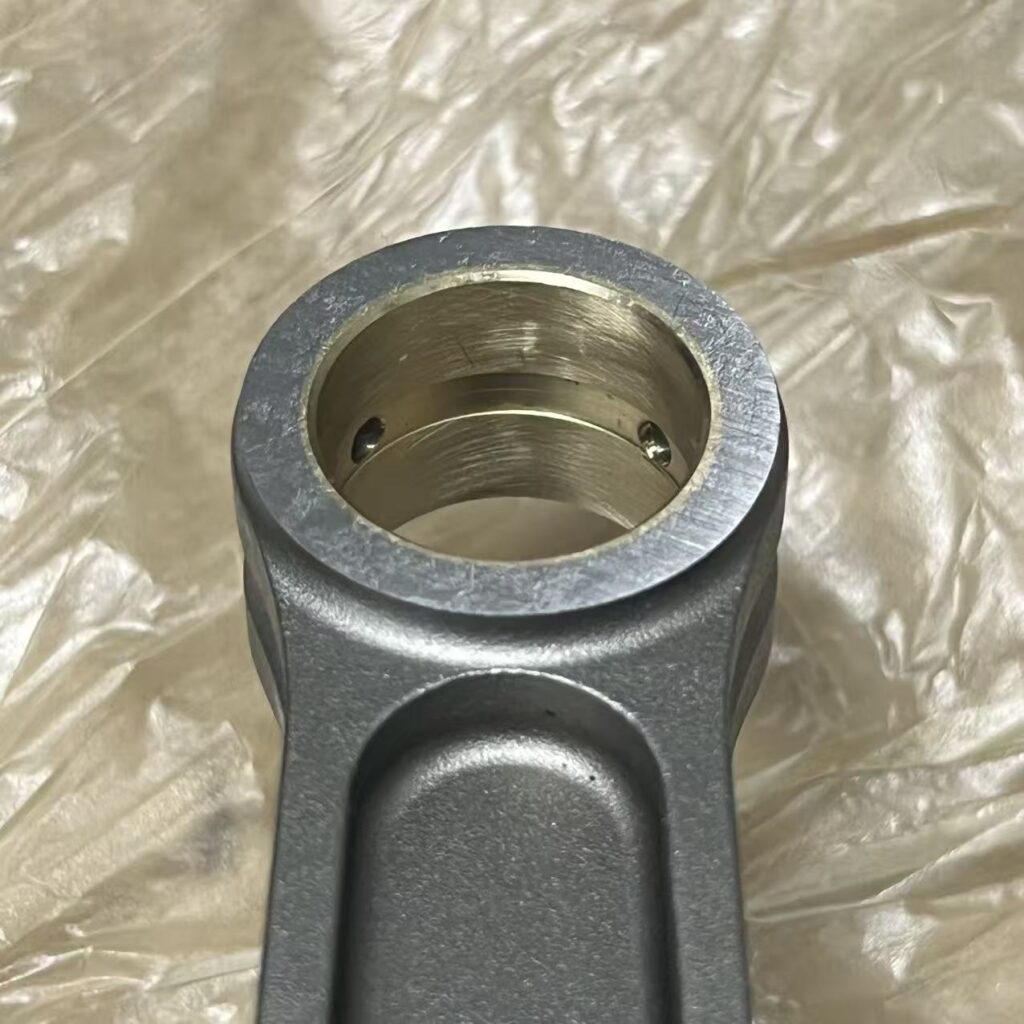
In this setup, the rods weighed approximately 421.5g each, representing a relatively lightweight configuration.
The benefits of reduced weight include:
– Better high-RPM stability
– Reduced stress on the crankshaft and bearings
– Improved engine response
For engines like the K24, which are often pushed to higher RPM ranges, this becomes especially important.
Why I-Beam Rods Are Commonly Used in K24 Builds
There is no universally “best” rod design—only the one that fits the application.
I-beam rods typically offer:
– Lower weight
– Sufficient rigidity
– Better suitability for high-RPM applications
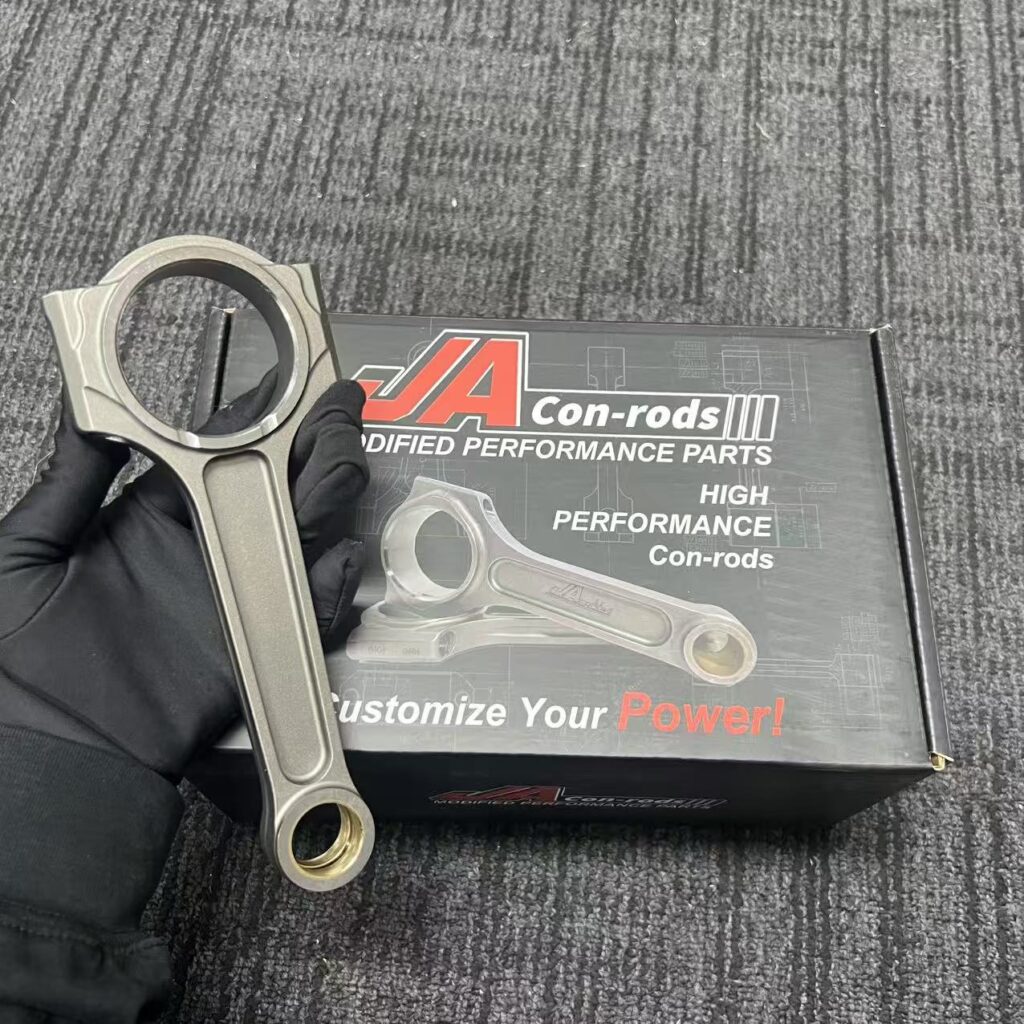
Compared to H-beam designs:
I-beam rods are generally more suitable for high-revving engines rather than maximum load applications.
For applications such as:
– Naturally aspirated builds
– High-RPM racing
– Response-focused setups
I-beam rods are often the more suitable choice.
Strength vs Weight: It’s About Balance
A common misconception is:
“Heavier = Stronger = Better”
In reality, excessive weight increases inertia and can negatively affect high-RPM performance.
The correct approach is to match the rod design to the application:
– High-boost turbo → prioritize strength
– Naturally aspirated high-RPM → prioritize weight
– Street use → balance both
In this 314.9 WHP build, the combination of:
– Lightweight rods
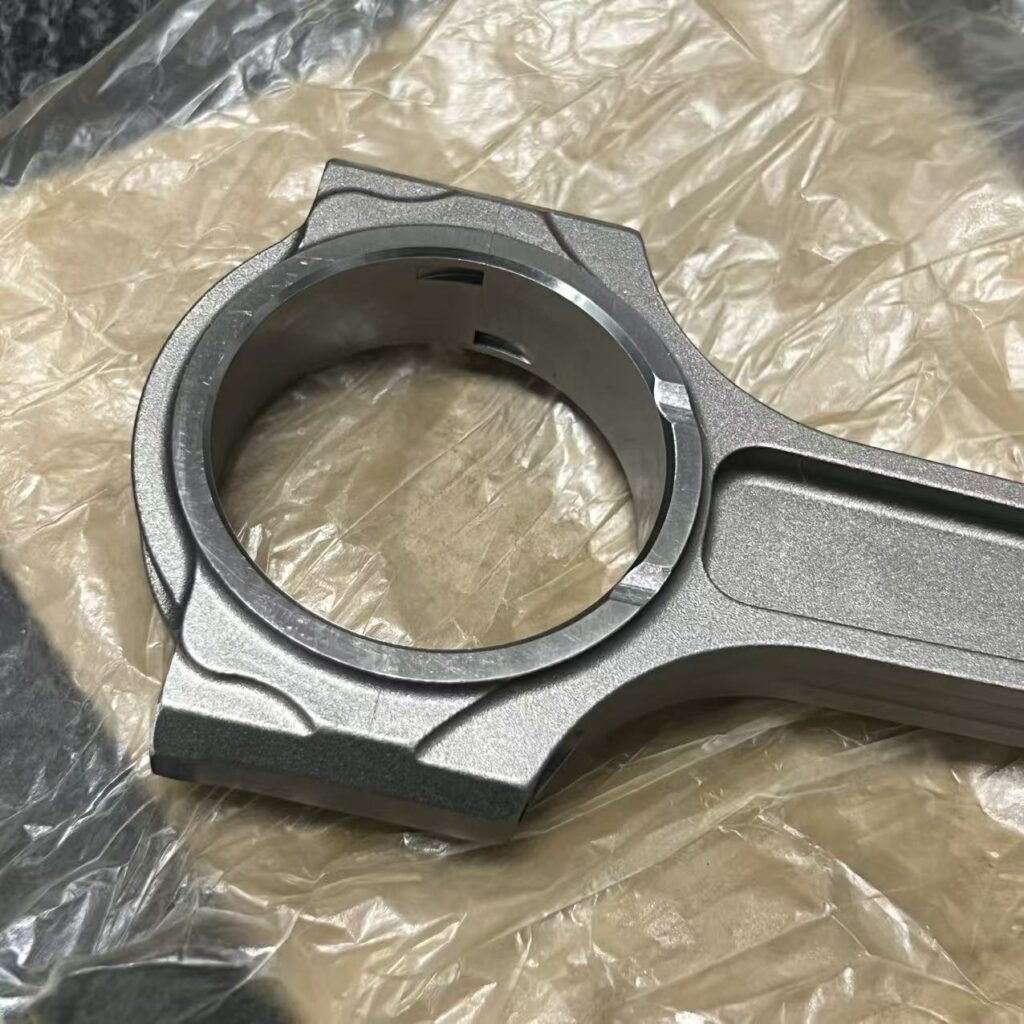
– Proper bearing clearance (~0.0022”)
– Precision machining
resulted in a stable and reliable high-performance setup.
According to the builder:“The rods are light and they work really well.”

Building a K24 is not about stacking parts.
The real difference comes from understanding the logic behind every component choice.
If you are building a K24 engine, choosing the right rod setup should always depend on the intended application, RPM range, and power goal.
If you need support selecting the right K24 forged connecting rods for your project, feel free to contact us for a custom recommendation.